
Greenfield Compressor Station Engineering and Design
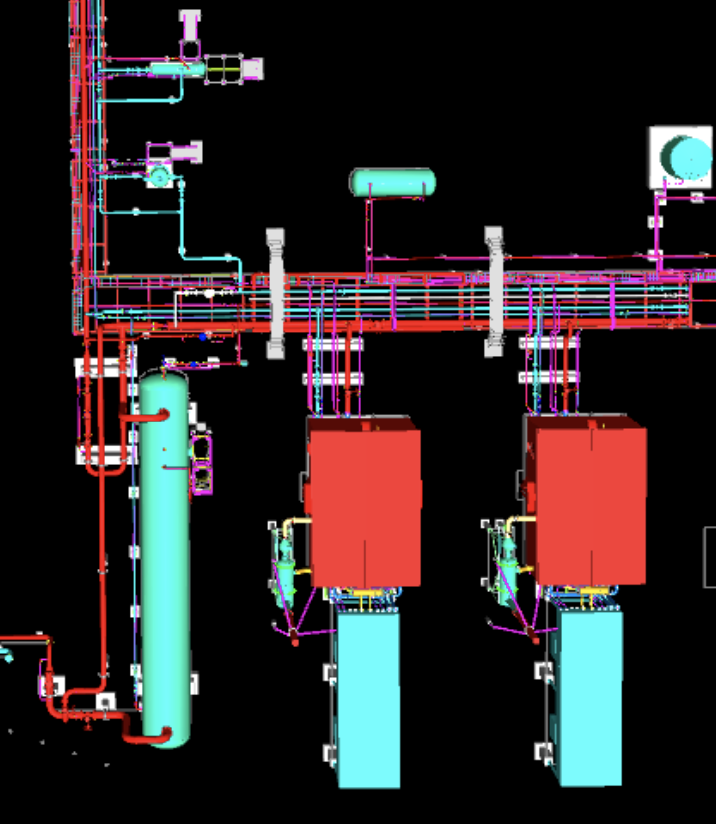
The client required full engineering, design, and project management support for the development of a new greenfield gas gathering compressor station in Utah. The facility needed to accommodate immediate production demands while maintaining flexibility for future expansion from two to four compressor units.
Bulk Test Conversion for Sour Service CTB Facility

The client required the conversion of existing Central Tank Battery (CTB) facilities into a large-scale sour service production site capable of safely managing high hydrogen sulfide (H₂S) concentrations. The project demanded a comprehensive redesign to accommodate new process equipment, integrate sour gas treatment systems, and ensure full compliance with applicable safety and regulatory standards.
Sour Gas CTB-Facility Design
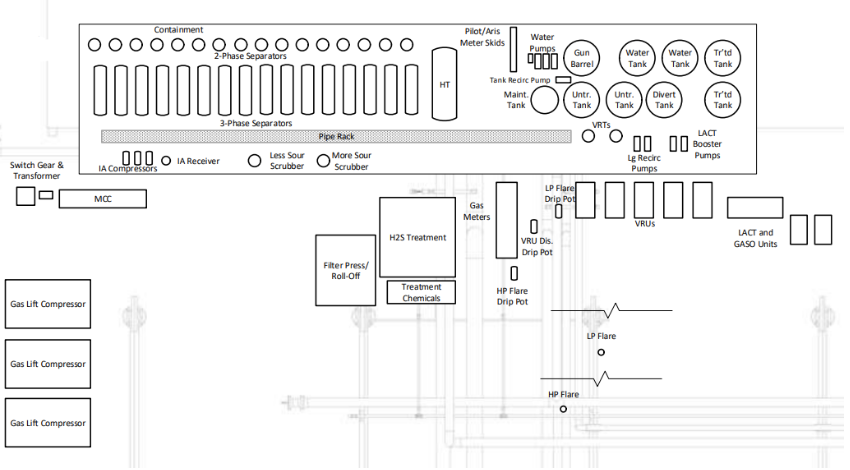
The client required a new centralized tank battery (CTB) in the Permian Basin capable of safely handling production from multiple wells with elevated hydrogen sulfide (H₂S) concentrations. The project demanded a design that would ensure compliance with all applicable NACE sour service standards while maintaining efficient operations and accommodating future development.
Mercury Removal & Bonus Target
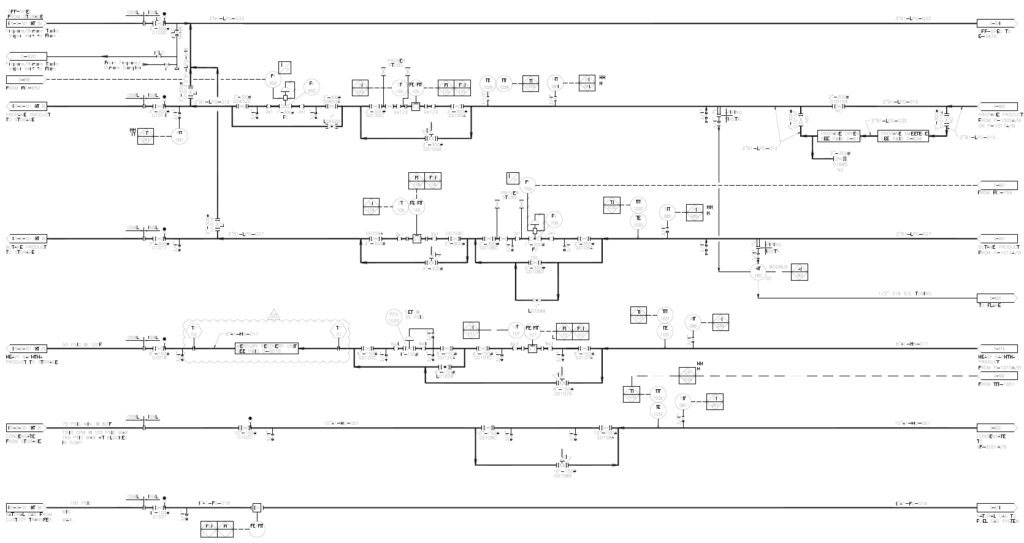
In 2020, a Midstream distribution company (“Client”), with nearly 10,000 miles of pipelines and over 50 terminals for refined petroleum products, approached Halker Consulting (”Halker”) for a phased project at their condensate splitter facility to increase profitability.
Fugitive Emissions Study
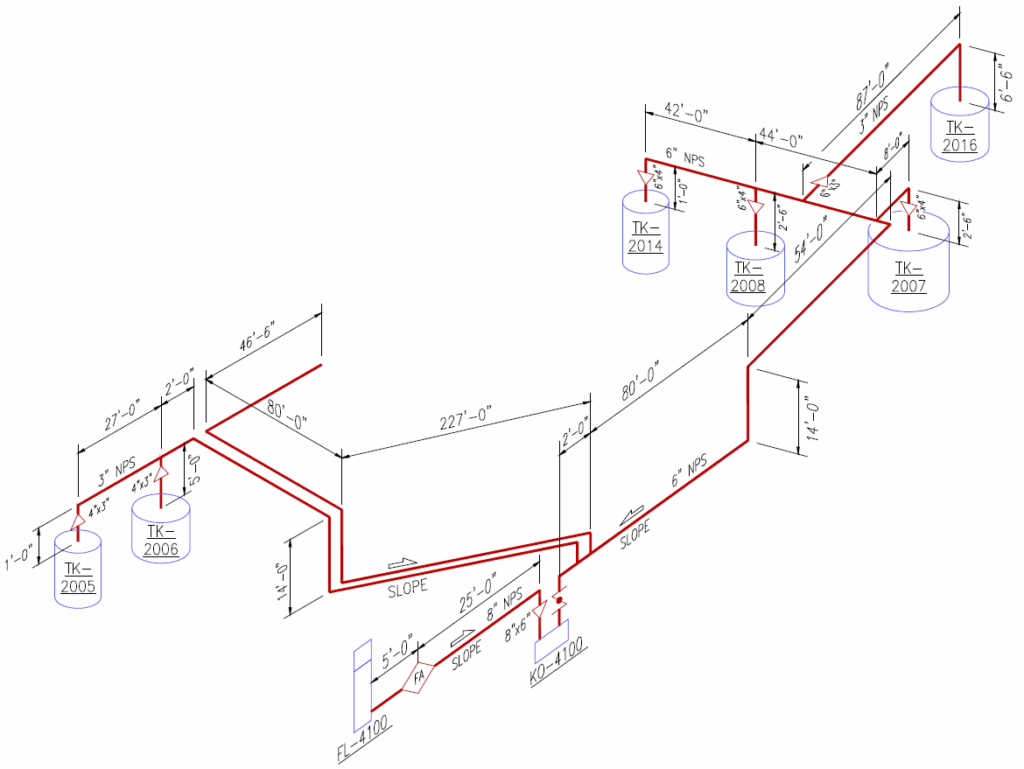
The client needed to reduce or eliminate fugitive emissions from over 50 existing upstream production facilities in order to meet 40 CFR 60 OOOOa requirements with an aggressive schedule. The fugitive emission sources were both oil and water storage tanks on site.
Three Phase Separator
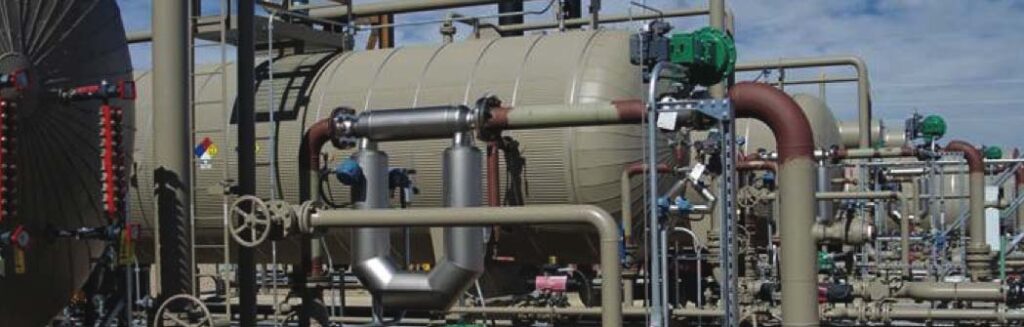
This experienced customer came to Halker Consulting with a need to design and engineer a three phase separator for multiple wellheads in the Rocky Mountain region. The specific needs around this project were based on the need to use a centralized processing facility rather than process at the well site.
Strategic Field Development
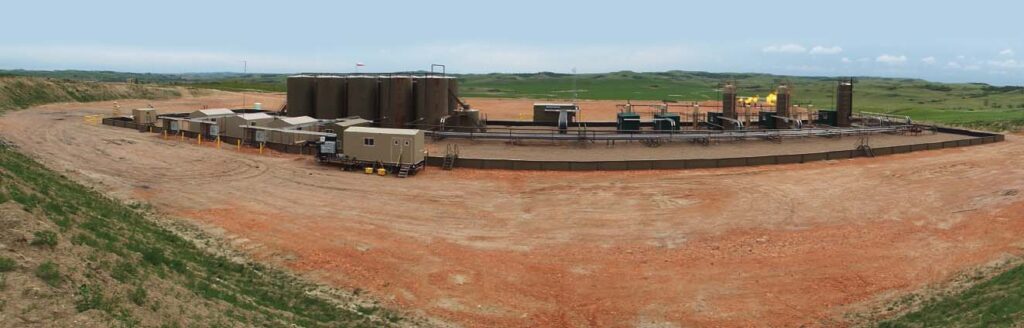
The widespread adoption of offshore-born approaches by surface well operators in the last several years has been game changing for the U.S. oil and gas industry.